Exploring Data Hashing in Chinese Art and Design
Category : |
Sub Category : Posted on 2024-10-05 22:25:23
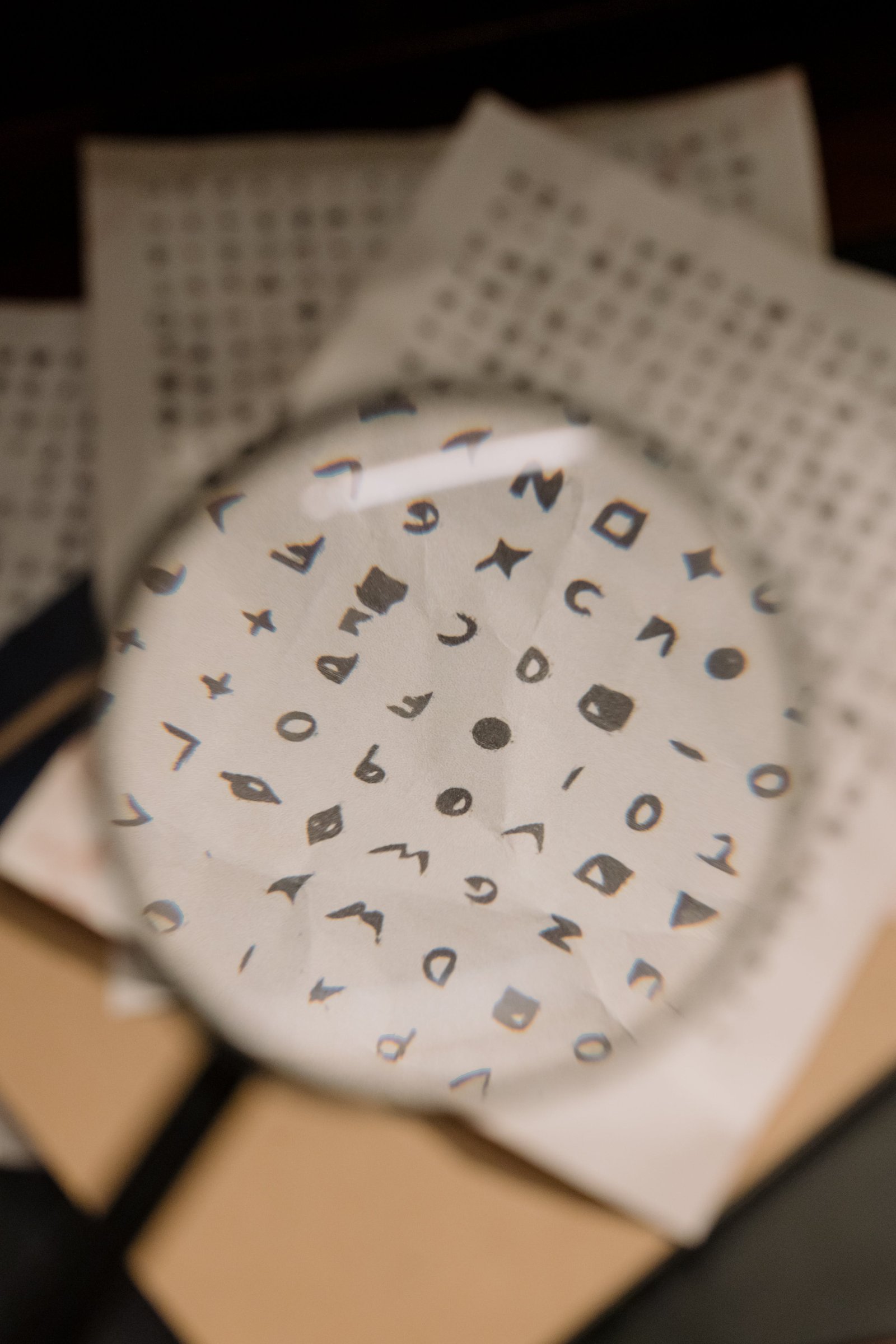
In the world of art and design, data hashing is a concept that is increasingly being utilized to create innovative and captivating works. Chinese artists and designers, in particular, have been at the forefront of incorporating data hashing techniques into their creative process, resulting in visually stunning and conceptually rich pieces that blur the lines between technology and art. Data hashing, a process that creates a unique alphanumeric string of fixed length from input data of any size, has found a unique application in the realm of art and design. By taking a set of data and converting it into a hash, artists and designers can manipulate and visualize the information in ways that were previously impossible. This has opened up a world of possibilities for creatives looking to push the boundaries of traditional art forms. In Chinese art and design, data hashing has been embraced as a way to infuse digital elements into traditional artistic practices. For example, digital artist Wang Aiwei has used data hashing to create intricate patterns and designs that are then translated onto physical materials such as textiles and ceramics. By encoding data into visual patterns, Wang is able to overlay layers of meaning and complexity onto his work, inviting viewers to engage with the piece on multiple levels. Other Chinese artists have taken a more conceptual approach to data hashing, using the process as a way to explore themes of surveillance, identity, and privacy in the digital age. By encrypting personal data and transforming it into visual art, these artists are raising important questions about the ways in which we interact with and perceive data in our everyday lives. In the realm of design, data hashing has been used to create innovative and interactive user experiences. Chinese designers have developed websites and apps that utilize data hashing to create personalized and dynamic content for users. By analyzing user data and generating unique hashes, designers are able to deliver tailored content that is both engaging and meaningful to the individual user. Overall, data hashing has emerged as a powerful tool in the arsenal of Chinese artists and designers, allowing them to push the boundaries of creativity and innovation in new and exciting ways. By merging technology with traditional artistic practices, these creatives are reshaping the landscape of art and design, creating works that are not only visually striking but also intellectually stimulating.
https://toguangzhou.com
https://2gz.org
https://china-directory.com


